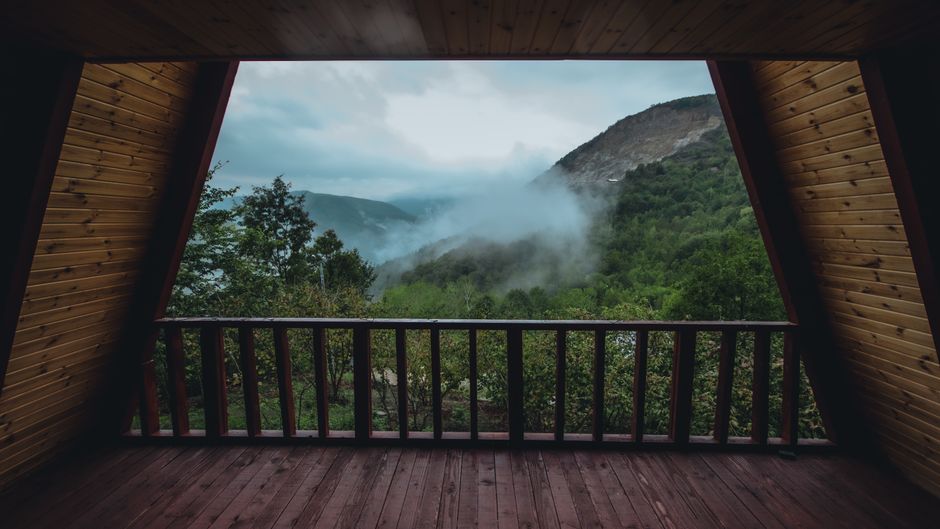
Scheduled inspections catch problems before guests do. Here is how to build a preventative maintenance plan that protects your rental income and your property.
Vacation rental cabins in the Smoky Mountains are not homes. They are hospitality assets running at near-commercial occupancy. Back-to-back guests, mountain weather, and remote locations create wear patterns that a primary residence never sees. Preventative maintenance is the difference between a cabin that runs smoothly through peak season and one that generates midnight emergency calls, bad reviews, and costly repairs.
This guide covers how to build a preventative maintenance plan for your rental cabin, what to inspect, and how to coordinate it all without disrupting bookings.
Why Vacation Rentals Benefit from Scheduled Inspections
Every emergency repair that a scheduled inspection would have caught is money lost, not just the repair cost, but the guest refund, the potential bad review, and the damage to your listing's search ranking. Vacation rental platforms factor cancellation and complaint history into visibility. A cabin that generates repeated guest complaints drops in search results, which means fewer bookings at lower rates.
Scheduled inspections catch the small failures that cascade into big ones. A dirty HVAC filter becomes a frozen coil becomes a burned-out compressor. A slow drip under a sink becomes a rotted cabinet floor becomes a mold remediation. A loose deck board becomes a rotted joist becomes a structural repair. Each of these progressions has a cheap early stage and an expensive late stage.
For owners who live out of the area, scheduled inspections provide something even more valuable: trusted local eyes on the property. Your cleaning crew turns the cabin over, but they are not trained to inspect mechanical systems, identify early rot, or check electrical safety. A maintenance visit fills that gap.
Routine Maintenance vs. Emergency Repairs
Understanding the difference between routine maintenance and emergency repairs helps you budget, schedule, and prioritize.
Routine Maintenance
Routine maintenance is planned, scheduled, and non-urgent. It includes seasonal HVAC tune-ups, hot tub chemistry checks, filter changes, gutter cleaning, deck inspections, and replacing batteries in smoke detectors. These tasks are predictable. You know they need to happen on a schedule, and you can plan them around your booking calendar.
Routine maintenance costs less than emergency repair for three reasons: you can schedule it during turnover windows (no lost bookings), you can compare prices and choose timing (no premium for urgency), and you are replacing parts before they fail catastrophically (no collateral damage to connected systems).
Emergency Repairs
Emergency repairs are unplanned, urgent, and often happen at the worst possible time: Friday evening of a holiday weekend with guests arriving. A burst pipe, a no-cooling call in July, a hot tub that will not heat, a breaker that keeps tripping. Emergency repairs cost more because they require immediate response, may happen outside business hours, and often involve secondary damage that could have been prevented.
The ratio matters. A well-maintained cabin generates far fewer emergency calls. An unmaintained cabin generates them regularly, and each one is more expensive than the routine maintenance that would have prevented it.
Seasonal Inspections: Preparing for Colder Weather
The Smoky Mountain climate creates four maintenance seasons. Fall is the most critical for preventative work because winter failures are the most expensive: frozen pipes, failed heating, and ice damage.
Fall Preparation (September to November)
- Schedule a heating system tune-up. Verify heat strips, furnaces, and heat pumps work before the first cold snap
- Insulate exposed plumbing in crawl spaces and attics. Verify pipe insulation is intact
- Drain and winterize exterior faucets. Disconnect and store hoses
- Clean gutters and downspouts after leaf fall. Clogged gutters cause ice dams
- Check weatherstripping on doors and windows. Drafts cost energy and guest comfort
- Replace smoke and CO detector batteries before heating season
- Test the hot tub. Verify all components work before winter, when a failure is most disruptive
- Verify cabin can maintain at least 55°F when vacant. Set the thermostat and confirm it holds
- Check the crawl space for moisture. Fix drainage before winter freezes compound the problem
Spring Preparation (March to May)
- Schedule a cooling system tune-up. AC failures in July are the most common emergency call
- Clean mini-split drain lines. High summer humidity means heavy condensation
- Inspect roof for winter damage: missing shingles, cracked flashing, ice damage
- Check exterior faucets for freeze damage. Replace cracked bibs before guests use them
- Inspect deck for winter damage: loose boards, popped fasteners, rot at post bases
- Service the hot tub for peak season. Verify heater, pump, and chemistry before heavy guest use
- Check for pest entry points: squirrels, raccoons, and insects become active in spring
HVAC, Plumbing, Hot Tubs, Decks, and Exterior
Each system in a rental cabin has its own maintenance rhythm. Here is what to check and how often:
HVAC
Replace filters monthly during peak season (June to August and December to February). Schedule professional tune-ups twice a year, spring for cooling and fall for heating. Check mini-split drain lines monthly during humid months. Clean condenser coils annually. If the cabin has a dehumidifier, clean its filter monthly and verify the drain is flowing. Our HVAC services cover all of these tasks.
Plumbing
Check under sinks and around toilets at every turnover. Inspect the water heater annually for rust and leaks. Descale tankless heaters annually. Hard water in Sevier County clogs heat exchangers. Verify the main shut-off valve works. Inspect crawl spaces for moisture after heavy rains. Our plumbing repair services handle leaks, water heater service, and winterization.
Hot Tubs
Check water chemistry and level between every guest stay. Clean the filter weekly during peak season. Schedule a professional component inspection twice a year: heater, pump, control board, and plumbing. If the tub is on a maintenance plan, these checks are included. Same-day hot tub repair is available for booked rentals.
Decks and Exterior
Walk the deck quarterly. Probe for soft spots, check railings for movement, inspect stairs for rot at ground contact. Clean and seal the deck surface every 2 to 3 years depending on sun exposure. Check gutters twice a year and after major storms. Inspect the roof from the ground for missing shingles. Our cabin repair services include deck inspection and structural wood replacement.
Coordinating Repairs Between Guest Stays
The key to maintenance on a rental cabin is working around the booking calendar. Every maintenance visit should be scheduled during a turnover window, the gap between check-out and check-in, so guests are never in the cabin during service.
Coordinate with your property manager or cleaning crew to identify turnover windows. Most cabins have at least a 3 to 4 hour gap between guest departure and arrival. Routine tasks like filter changes, chemistry checks, and quick inspections fit in this window. Larger tasks like HVAC tune-ups or deck repairs may need a longer gap. Schedule these during unbooked periods.
If you use a channel manager or booking platform, build maintenance days into your calendar. Block specific dates for seasonal service so you are not scrambling to fit it in around last-minute bookings.
How Property Managers Can Organize Maintenance Records
For owners managing multiple cabins, or property managers handling a portfolio, organized records are essential. Without records, you cannot track what was done, when it was done, or when it needs to happen again.
- Create a maintenance log for each cabin. Digital is best, a simple spreadsheet works
- Record every visit: date, technician, tasks performed, parts replaced, and findings
- Note any items flagged for future attention: "filter due in 30 days" or "deck board soft, monitor"
- Track recurring issues. If the same mini-split leaks every summer, it needs more than a drain clear
- Keep a service history for each system: HVAC, plumbing, hot tub, electrical, deck
- Set calendar reminders for seasonal tasks: spring tune-up, fall tune-up, gutter cleaning
- Share records with your maintenance provider so they know the history before each visit
A written report after every professional visit is non-negotiable. If your maintenance provider does not give you one, ask for it. The report should list what was inspected, what was serviced, what was replaced, and what needs attention before the next visit. Our maintenance packages include a written report after every seasonal visit.
How to Establish a Recurring Maintenance Schedule
Building a recurring schedule is straightforward. The challenge is sticking to it when bookings are busy. Here is a framework that works for most Smoky Mountain rental cabins:
- Spring visit (March to April): HVAC cooling tune-up, deck inspection, exterior faucet check, hot tub service
- Summer check (July): Filter changes, mini-split drain check, hot tub chemistry audit, mid-season walkthrough
- Fall visit (October to November): HVAC heating tune-up, gutter cleaning, plumbing winterization, weatherstripping
- Winter check (January): Heating verification, crawl space inspection, cold-weather readiness confirmation
Each visit takes 1 to 2 hours depending on cabin size and scope. Schedule them during turnover windows or unbooked periods. For cabins with heavy rental occupancy, add a monthly hot tub check between seasonal visits.
For owners with three or more cabins, bundle visits on the same day to reduce per-cabin cost and keep every property on the same maintenance rhythm. A provider who knows all your cabins can spot patterns. If the same mini-split model is leaking across multiple properties, that is a brand issue, not a one-off problem.
A preventative maintenance plan is the single best investment a rental cabin owner can make. Our seasonal maintenance packages cover HVAC, hot tub, plumbing, electrical, and exterior inspections, with a written report after every visit and priority dispatch when something does break. Call 865-805-2438 or contact us to set up a plan for your Smoky Mountain cabin.
Need Help With Your Cabin?
We repair hot tubs, HVAC, plumbing, and electrical for rental cabins across Sevier County, TN.